The thing we were sceptical about was whether the solar cells would be able to supply the dustbins with enough power to be self-sufficient. It would be expensive to connect every single dustbin to the electrical grid.
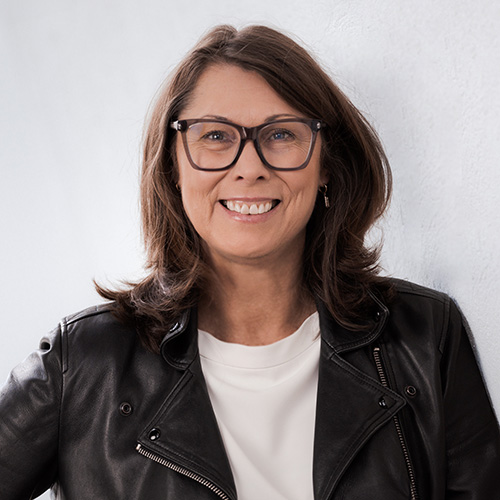
Per-Rickard Rönnberg, Project Manager at Uppsala Municipality.
Their concerns proved to be unfounded. The solar cells are connected to a 12-volt battery and are able to compact the waste as well as transmit signals regarding the content level. The signals are collated and communicated to users via the manufacturer's app.
For us, this is obviously of great benefit. We don't need to go out and empty waste containers unnecessarily and, thanks to the compacting, they are able to hold substantially more waste. This will result in savings for us in the long run and we are afforded more time to do other things that need to be done.
Per-Rickard Rönnberg, Project Manager at Uppsala Municipality.
Hopes for long-term savings
According to estimates from the company BigBelly Solar, for which the dustbins are named, considerable savings can be achieved if the municipality seriously commits to this solution. This is despite the fact that each unit costs between SEK 30,000 and SEK 40,000, and that the app comes with a subscription fee.
We are being careful not to say too much too soon. We have purchased the dustbins in instalments and do not have comparable figures yet. But now already, with the units we have today, we estimate that we are breaking even.
Per-Rickard Rönnberg, Project Manager at Uppsala Municipality.
Unanticipated secondary effect
In practical terms it involves, at present, 190 dustbins, of which approximately 70 are solitary while the rest have been placed in groups. This allows users to sort for recycling – with one bin for plastic, one for other waste and one for glass. The latter is different as it does not compact its contents. Savings are achieved, in part, because the bins do not need to be emptied as often, which saves vehicle fuel consumption and manpower, and personnel are better able to plan their routes.
It was not solely for economic reasons that we chose to invest in this solution. The environment, reduced transport and the possibility of compacting the sorted materials were all crucial factors. Furthermore, we have noticed a positive secondary effect which we did not anticipate from the start.
Since we introduced the connected dustbins, people have been more careful to throw their rubbish into the bins instead of on the sides! The reasons for this are hard to fathom.
Per-Rickard Rönnberg, Project Manager at Uppsala Municipality.